

Buy Bulk Ammo Online and Lock In the Lowest Per-Round Prices Today
Bulk ammo online is hands-down the easiest way to stock up on hundreds of rounds without leaving your couch. You simply pick your caliber, choose a quantity like 500 or 1,000 rounds, and get them shipped straight to your door in sturdy boxes. The real payoff is saving serious cash per round, especially when you grab free shipping deals or stack discounts on bigger orders. Just keep your firearm’s specs handy and add to cart—it’s that simple.
Why Buying Ammunition in Larger Quantities Saves You More Than Money
When you buy bulk ammo online, you’re not just saving cents per round—you’re buying consistency in your practice routine. Ordering larger quantities means you lock in the same lot number, so your zero and point of impact don’t shift between boxes. That translates to tighter groups and more predictable performance at the range. You also cut down on the number of shipping fees and trips to the store, which 7.62×51 Ammo for Sale means your time and gas money stay in your pocket. Most importantly, having a deep reserve means you never skip a training session because you’re rationing your last few boxes. That regular reps beats any per-round discount. So, bulk ammo online isn’t just an inventory choice—it’s your edge for building real skill, faster.
The Real Per-Round Cost Difference Between Boxes and Cases
The real per-round cost difference between boxes and cases becomes obvious when you 5.7x28mm Ammo for Sale do the math. A 20-round box of 9mm might run you $13, but that same ammunition in a 1,000-round case often drops to $280–$300, saving you $0.15 to $0.20 per round. Ordering 5,000 rounds from bulk ammo online can slash that further, but the biggest jump is always from single boxes to cases. You rarely notice the savings on one box, but a case spreads shipping and packaging costs across many more rounds, making each trigger pull noticeably cheaper. The real per-round cost difference between boxes and cases typically lands between 10% and 25%, depending on caliber and brand. That’s enough to fund a free box of ammo for every three cases you buy.
Q: Is the per-round cost difference between boxes and cases really worth buying a full case?
A: Yes—if you shoot monthly, a case saves you $150–$200 over buying boxes individually, which pays for range time or extra mags.
How Free Shipping Thresholds Change Your Final Price Per Cartridge
Free shipping thresholds directly alter your cost per cartridge by making the difference between per-box pricing and per-round economics. If a retailer sets a $150 threshold and a 500-round case costs $140, you either pay a flat shipping fee—often adding $0.01 to $0.03 per cartridge—or you add another box to cross the line, which lowers that fixed fee’s impact across more rounds. The critical calculation is identifying the exact breakpoint where adding a second case still yields a lower per-cartridge price than paying the freight alone would. This forces you to compare marginal shipping cost against the per-round price of the extra ammo, not just the total cart total. A threshold ten dollars away can flip your final price per cartridge from acceptable to unnecessarily inflated, so always recalculate with your exact order weight and destination before checkout.
Time Savings: Avoiding Weekly Restock Trips to Local Stores
Buying bulk ammo online eliminates the recurring errand that eats into your weekends: the weekly drive to a local store. Instead of budgeting 30 to 60 minutes per trip for traffic, parking, and waiting behind other customers, you consolidate that effort into one scheduled delivery. With a case of 1,000 rounds, you remove roughly 12 to 15 separate store visits per year, freeing up an entire afternoon each month for actual range time, load development, or inventory organization. This bulk ammo online time efficiency is most obvious when you glance at your calendar and realize you haven’t passed a gun shop in weeks. The upfront 10 minutes spent placing a larger order directly replaces hours of repeated, identical restocking commutes.
Larger online orders collapse dozens of weekly local restock trips into a single doorstep delivery, reclaiming hours of driving and waiting every month.
What to Check Before Adding a Case of Ammo to Your Cart
Before you click that button, pause—imagine the box landing on your porch, only to find the ammo doesn’t fit your firearm. First, confirm 7.62×39 Ammo for Sale the **caliber and cartridge type** precisely; a .223 vs 5.56 mismatch can be dangerous. Next, scrutinize the **ammunition condition and manufacturing date**, especially for surplus bulk ammo online—corroded primers or cracked necks mean wasted cash. Check the bullet grain weight against your barrel’s twist rate; a 55-grain load in a 1:7 twist will keyhole. Also, verify the casing material—steel is cheaper but may void range rules or damage extractors. Finally, calculate true cost per round after shipping fees, and inspect the seller’s return policy for damaged cases. A quick five-minute check saves you from a box of disappointing paperweights.
Matching Grain Weight and Bullet Type to Your Firearm’s Twist Rate
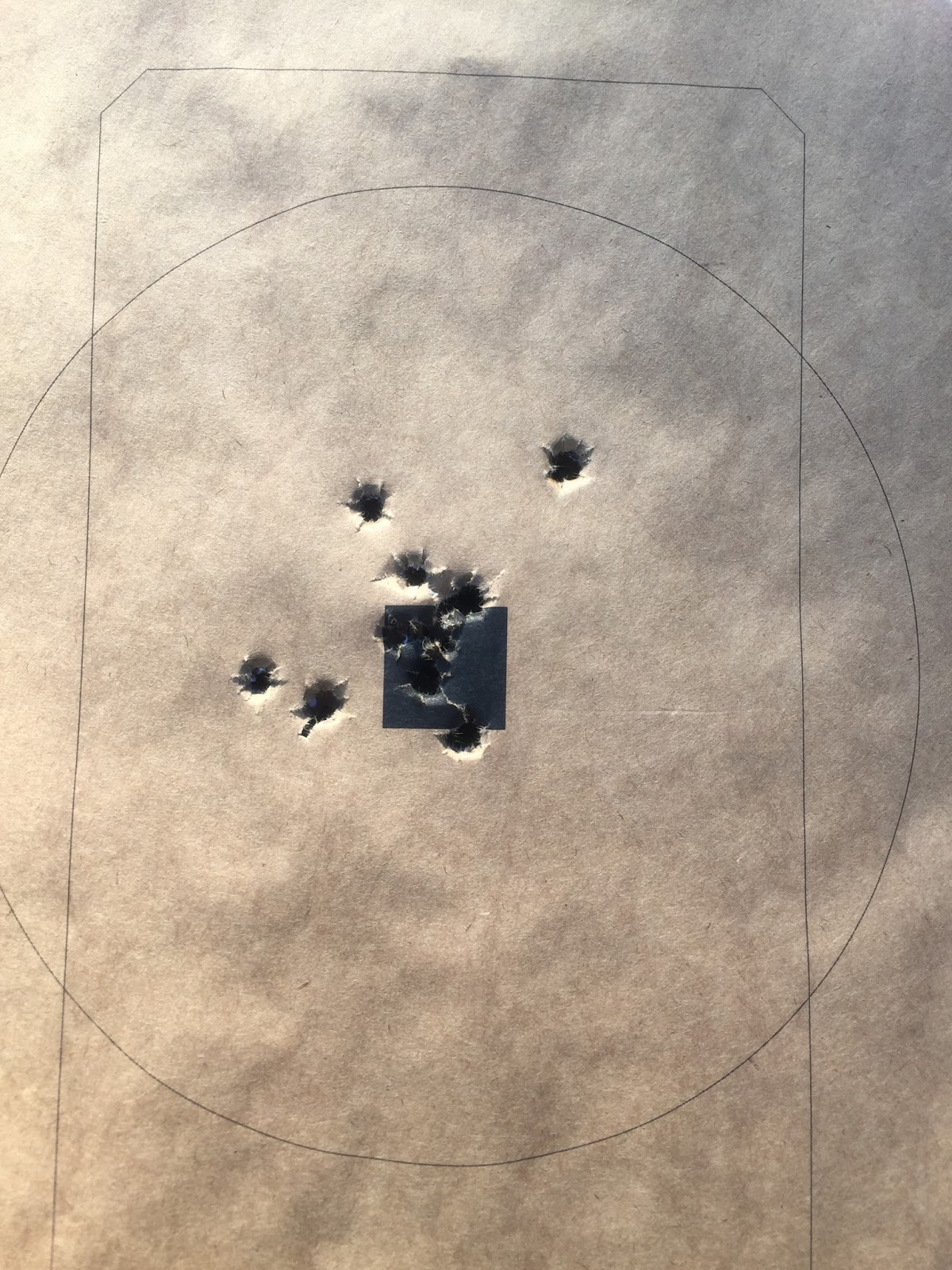
Before you buy that case of bulk ammo online, .17 WSM Ammo for Sale double-check your barrel’s twist rate—it dictates which grain weight and bullet type will actually stabilize. A 1:7 twist prefers heavier 62–77 grain projectiles, while a 1:12 twist shines with lighter 55 grain rounds. Matching grain weight to twist rate prevents keyholing and accuracy loss. Flat-base bullets are more forgiving, but boat-tails need enough spin for long-range stability. If you’re unsure, a quick bore-cleaning rod test—marking a patch and measuring one rotation—tells you your exact twist in minutes. Never assume “one size fits all” when stacking deep.
- Check your owner’s manual or barrel stamp for the twist ratio (e.g., 1:9).
- For mixed lots, choose a mid-range grain (e.g., 62gr in 5.56) that most twists handle.
- Avoid super-light or ultra-heavy bullets unless your twist is purpose-built for them.
- Test a box of each candidate grain before committing to a full case.
Velocity and Pressure: Why Differing Lots Matter for Accuracy
When you buy bulk ammo online, every case often mixes multiple production lots, and velocity and pressure consistency between lots directly drives accuracy. A lot that runs 50 fps hotter will shift your point of impact vertically at 100 yards, while higher pressure can flatten primers or stick cases in your chamber. Before adding a case, request the lot number and chronograph data from the seller. If they can’t provide it, plan to sight in with each distinct lot separately. Mixing lots in one magazine means unpredictable trajectory changes mid-string. Always test a small sample from each lot at your target distance—matching velocity and pressure across lots is what keeps your groups tight and your reloading data valid.
New Production vs. Remanufactured Rounds – The Practical Tradeoffs
When buying bulk ammo online, the core choice is new production versus remanufactured rounds. New factory ammunition delivers consistent headspace, virgin brass, and uniform powder charges, which matters for match-grade accuracy or defensive loads. Remanufactured rounds, however, cost 20–40% less but rely on once-fired cases that may have been stretched, especially from unsupported chambers, risking case head separation on the second firing. For high-volume plinking or training drills, remanufactured rounds are practical if you verify the brass brand (avoid mixed headstamps) and inspect for primer pocket tightness. New production suits precision and duty use; remanufactured suits budget-friendly practice where a rare malfunction is acceptable.
- Check remanufactured brass for annealing marks—repeated annealing weakens case necks.
- New production guarantees full-length resized cases; remanufactured may skip bullet pull-down inspection.
- Match remanufactured rounds to your firearm’s chamber type (e.g., .223 Wylde vs. 5.56 NATO) to avoid pressure spikes.
- For high-round-count sessions, new production reduces cleaning frequency due to cleaner-burning propellants.
How to Judge the Best Deal When Ordering Ammo by the Pallet
When judging the best deal on bulk ammo online, the per-round price is your starting point, but shipping weight often dictates the real cost—calculate the total delivered price per round, not the sticker price. Compare pallet pricing across multiple vendors, but scrutinize the ammunition grain weight and bullet type; a heavier defensive load at a lower price per round can still be a worse deal than a lighter practice round. Factor in free shipping thresholds that turn a pallet order into significant savings. Check if the pallet is sealed intact and the lot number is consistent for reliable performance. Finally, confirm the cpr (cost per round) after any credit card fees—those hidden surcharges can erase a bargain in bulk ammo online purchases instantly.
Calculating Effective Cost Per Round After Coupons and Cashback
To truly judge a pallet deal, you must move beyond the listed shelf price and calculate the effective cost per round after coupons and cashback. First, apply any site-wide or brand-specific coupon code to the pallet subtotal before shipping, then divide that reduced total by the round count. Next, subtract any cashback percentage from credit card offers or rebate portals—this is not a discount on the invoice but a post-purchase refund that lowers your real outlay. For example, a $0.40/round pallet with a 5% coupon and 5% cashback becomes $0.36/round effective. Always compare this final figure against other pallets using the same math; otherwise, you risk overpaying for a headline “sale” that lacks rebate potential. This single number is your true benchmark for value.
Reading Customer Photos of Packaging to Spot Damaged Cases Early
Before you commit to a pallet, scroll past the product’s stock photos and into the customer-submitted image gallery. Real buyers often upload shots of their delivered crate layers, and those photos reveal crushed corners, split tape, or bulging sidewalls that the seller’s marketing angles hide. Focus on any image showing the outer cardboard’s edges—a clean, sharp seam means the case held its stack; a softened or wrinkled corner signals rough handling during freight transit. Also, compare multiple photos from different buyers: if three separate uploads show the same dent on the same top row, that’s a recurring packing flaw, not a one-off accident. Use this visual audit to flag high-risk pallet packaging before checkout. If you see damage, either ask the vendor for a fresh-stock photo or factor replacement costs into your per-round math, because a crushed case leads to crushed primers.
- Open the review section and filter for images tagged “delivery” or “unboxing.”
- Look specifically at the pallet’s outer wrap and top-layer case seams, not the ammo boxes inside.
- Mark any photo where the cardboard shows creases, moisture stains, or uneven stacking.
- Compare three separate buyer photos for the same ammo brand to confirm a damage pattern.
Verifying Lot Numbers and Headstamp Consistency Before Checkout

Before finalizing a pallet order, verify that every listed case shares a single lot number or clearly documented mixed-lot status, as inconsistent headstamps across boxes can signal substandard sorting or hidden remanufactured rounds. Request the seller’s batch manifest in writing and cross-check it against the displayed headstamp markings, especially for calibers like .223 or 9mm where brass source affects reloadability. Even a seemingly identical headstamp can hide primer pocket or case length variations if the lot codes differ by a single digit. Reject any pallet that pairs mismatched headstamps without a price adjustment, since you will lose resale value and range consistency. Confirm the lot number on the outer carton ties to the ammunition inside, not just the box label.
Smart Stockpiling Strategies for Large Ammo Purchases Without Waste
To master smart stockpiling strategies for large ammo purchases without waste, start by calculating your realistic annual round count per caliber—focus on your primary firearms—then buy that exact quantity during online sales. Rotate your inventory religiously, using the oldest ammunition first at the range while replenishing with fresh bulk ammo online orders. Avoid chasing every deal; instead, set price alerts for your specific loads and buy deeply when the cost-per-round drops below your baseline. Store your bulk ammo online shipments in airtight, moisture-controlled containers with desiccant packs, keeping them off concrete floors to prevent corrosion. Finally, resist over-buying niche calibers you rarely shoot—consider splitting large cases with a shooting buddy to share shipping costs. This ensures every dollar invested in bulk ammo online translates into usable, long-lasting rounds, not wasted inventory.
Rotating Your Inventory to Keep Older Boxes at the Top of the Stack
When your bulk ammo order arrives, don’t just shove boxes into a closet. Instead, practice rotating your inventory to keep older boxes at the top of the stack—place new shipments at the bottom and slide the previous ones forward or upward. This simple habit means you’ll grab the oldest rounds first every time you head to the range, preventing that frustrating situation where you’re stuck with years-old ammunition that’s been exposed to humidity or temperature swings. Make it a routine: every time you open a fresh case, rearrange the shelf so the most stale cartridges are within arm’s reach. Your future self will thank you when every round fires cleanly.
Rotating inventory is a five-minute chore that 7mm PRC Ammo for Sale saves you from wasted ammo—old boxes stay on top, so you always shoot the oldest first.
Storing Bulk Cartridges in Climate-Controlled Spaces to Prevent Corrosion
When you buy bulk ammo online, you are essentially investing in a sealed environment that must protect brass, primers, and powder from humidity-induced corrosion. A .17 HMR Ammo for Sale climate-controlled space, maintained steadily between 60–70°F with relative humidity below 45%, prevents the microscopic moisture film that causes verdigris on casings and weakens primer seals. Do not rely on a garage or attic, where temperature swings force condensation inside ammo cans. Instead, use a dehumidifier or silica desiccant packs inside airtight containers, and monitor with a hygrometer weekly. This discipline ensures your bulk purchase shoots as cleanly as the day it shipped, avoiding costly misfires and scrap metal. Climate-controlled ammunition storage is non-negotiable for protecting a large financial outlay.
Keep bulk cartridges cool, dry, and stable—below 45% humidity—to stop corrosion before it starts, making your bulk ammo online purchase a lasting, reliable reserve.
Common Questions First-Time Bulk Buyers Ask About Large Orders
First-time bulk ammo buyers usually start by asking, “How much can I actually save per round?”—because the price break matters more than the upfront total. They also want to know if shipping is really free or if hazmat fees quietly inflate the order, and whether the advertised “crate” counts as one box or multiple sealed packs. Another big one is turnaround time: will my card get charged immediately, or after the order ships? Folks often panic about shelf life too, wondering if 5,000 rounds will degrade in a garage. Most reputable sellers answer with lot numbers and storage tips, but ask about return policies before you commit.
Always confirm the per-round cost after shipping—that’s the number that actually tells you if bulk is worth it.
Ammo Cans & Storage for Sale Finally, they ask if backorders are common, since paying for “in stock” that’s actually a 6-week wait is a rookie mistake.
How Long Will a 500-Round Case Stay Fresh in a Safe?

A 500-round case stored in a safe can remain fresh for 10 to 20 years or more if conditions are controlled. The primary threat is moisture, not time, so the safe’s internal environment dictates longevity. Keep the case sealed in its original manufacturer packaging, which often includes a vapor-barrier liner. For long-term storage, add a desiccant pack inside the safe and replace it every six months. If the safe lacks climate control, check the rounds quarterly 5.56 Ammo for Sale for tarnish on brass or green spots on primers. To preserve freshness:
- Store the case off the floor to avoid temperature swings.
- Use a silicone-coated cloth 7.62x54R Ammo for Sale to wipe rounds if handling them.
- Rotate the case annually, flipping it to redistribute any internal pressure.

Sealed ammunition resists degradation, but ammo safe storage requires vigilance against humidity spikes after the safe is opened.
Is It Safe to Split a Bulk Order with a Shooting Buddy?
Splitting a bulk order with a shooting buddy is generally safe, provided you both agree on logistics upfront. The main risk isn’t legality—it’s payment and shipping clarity. Use a single credit card transaction, then transfer funds via a traceable app like PayPal or Venmo, avoiding cash confusion. Ship to one address only, and **clearly divide the ammo by caliber and lot number** so you each know specialty sports & supply exactly what you’re getting. If one of you pays the full cost, the other should reimburse immediately to prevent awkward friction. Check that your buddy’s storage conditions match yours—humidity or heat issues can affect ammo integrity after the split. Never split a sealed case without verifying both box counts, as mismatched quantities lead to disputes. Trust works, but written notes on who gets what removes all guesswork. This method keeps your bulk ammo online purchase efficient and your friendship intact.
What Happens if a Box Counts Fewer Rounds Than Marked on the Case?
When you buy bulk ammo online, a box counting fewer rounds than marked on the case is usually a packaging error, not a deliberate shortchange. Most reputable retailers ask you to document the discrepancy with photos of the sealed case and the under-filled box before you disturb other boxes. They will typically replace the missing rounds or issue a partial refund without requiring you to ship the entire heavy case back. Inventory accuracy is critical here, so count each box as you unpack it. Short-counts are rare, but acting quickly protects your claim.
Q: What happens if a box counts fewer rounds than marked on the case?
A: You contact the seller within their stated window (often 48–72 hours), provide clear photos and the case lot number, and they either send the missing ammunition or credit your account.